
Our Resources
Based on social science theory and evidence, NCWIT resources provide practical tips and recommendations for change leaders to take effective action. Access hundreds of free resources that encourage cultural and environmental change, from the classroom to the boardroom.

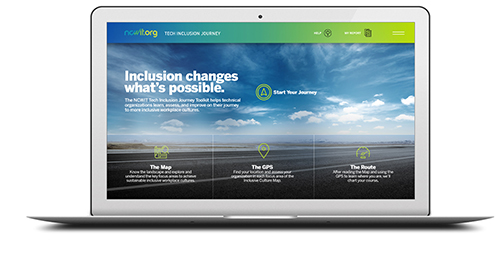
This one-page handout describes NCWIT’s strategic planning and decision-support software, the Tech Inclusion Journey. Available to NCWIT Workforce Alliance members, this a one-of-a-kind, scalable platform is designed to avoid traditional DEI pitfalls, enabling organizations to implement…
About the Tech Inclusion Journey (Workforce Alliance)




Knowledge of computer science (CS) is fundamental to students’ future careers. This guide provides educators with context and concrete steps to build and expand inclusivity in CS education. By actively engaging students in CS, educators…
Guide to Inclusive Computer Science Education: How educators can encourage and engage all students in computer science


The NCWIT Aspirations in Computing (AiC) High School Award honors 9th-12th grade women, genderqueer, or non-binary students for their computing-related achievements and interests, and encourages them to pursue their passions. Use this poster to spread…
NCWIT Aspirations in Computing (AiC) High School Award Poster (11″x17″)



In 2007 and 2012, the National Center for Women & Information Technology, in partnership with 1790 Analytics, published prior reports on gendered patterns in IT patenting, analyzing records from the U.S. Patent and Trademark Office….
Who Invents IT? Women’s Participation in Information Technology Patenting (2022 Update)

The NCWIT Academic Alliance Community College Involvement Team has selected the resources below as particularly relevant to the community college context: Recruitment (View collection.) Retention, Transfer, and Completion (View Quick Reads collection. | View Deep…
NCWIT Resources for Community Colleges

